Product Overview
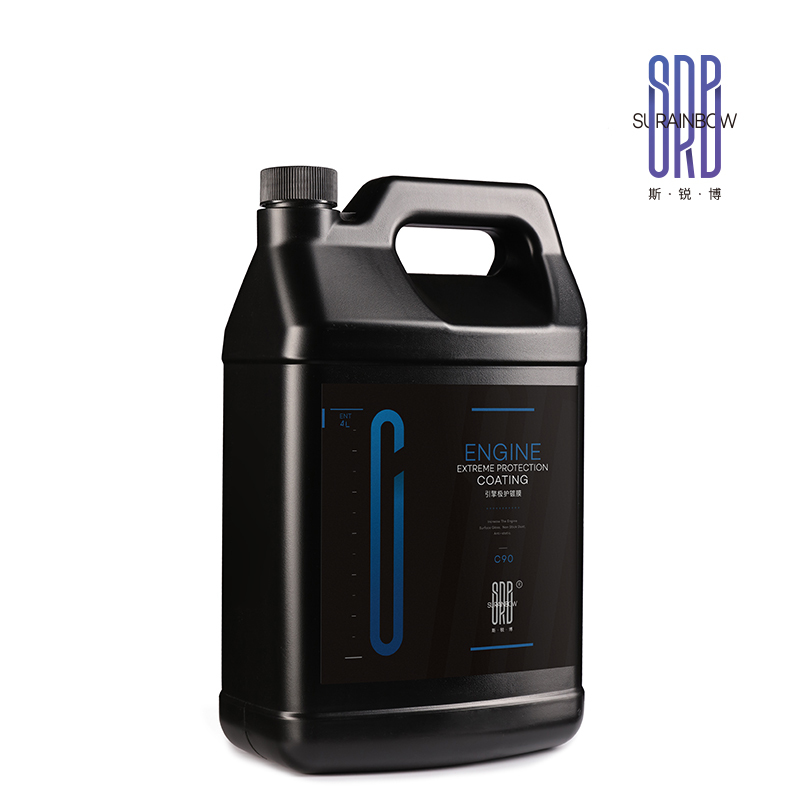
SURAINBOW Engine Protection Coating is a liquid dressing for the plastic covers, hose sleeves, reservoirs and trim inside a car's engine bay. It is sprayed on after the bay has been washed and blown dry, then cured in the heat of an engine idle. What comes back is the deep, even gloss that makes an engine bay look maintained rather than merely washed.
Under-bonnet plastics take more punishment than exterior trim. Heat cycles, oil vapour, road spray and the salt left behind by snow-melt agents pull the colour out of them and dry the surface until it goes chalky. This is a car care product that puts a protective film back on those parts instead of leaving them bare to the next winter.
Shops apply it with an engine coating gun; distributors and private-label brands buy it as part of a car detailing chemicals wholesale order. It belongs on the same shelf as the engine cleaner, because one product lifts the grime and the other makes the bay presentable again.
As car care manufacturers we build the whole engine-bay sequence rather than a single bottle, so a buyer can source the cleaner, the coating and the spray equipment that applies it from one production base.
Protection for Engine Plastics
An engine bay is a harder environment than exterior trim: constant heat cycling, oil and fuel vapour, and road spray driven up from below. The coating sits on the plastic as a film rather than soaking in and disappearing, so the parts it covers stay black between services. Of all the car care supplies on a detailing shelf, this is the one that changes how a bay reads at handover.
Plastic ages from two directions. UV and heat work on the top surface; chemical attack works from below, where the salt carried in snow-melt agents and the road film a car wash engine cleaner loosens at the wash stage both settle on hose sleeves and connector housings. A dressed surface sheds that film at the next wash instead of letting it dry into the grain.
The cosmetic result is what buyers notice first. Covers, hose sleeves and washer bottles come back to an even dark gloss rather than the chalky grey they turn after a few winters, and on a used car that changes how the whole vehicle reads on the forecourt.
The protective result is quieter but worth more. Dried, cracked plastic around wiring and connectors is where electrical faults usually begin on older vehicles, and keeping those parts supple and coated is a small habit set against the cost of tracing a fault later.
Engine-Bay Surfaces
- Engine covers and moulded trim — the large plastic cover on top of the engine takes the coating evenly and is the first thing a customer sees when the bonnet opens.
- Hose sleeves and cable looms — the rubber and plastic sleeving around hoses and wiring dries out fastest under heat, and dressing it brings back a dark finish while keeping the surface supple.
- It is the difference between a professional car care job and a quick wash.
- Connector housings and fuse-box lids — the parts most exposed to heat and least looked after.
- Coating them is a small habit set against tracing an electrical fault later.
- Reservoirs, washer bottles and battery covers — awkward shapes that trap dust and go patchy grey; a light pass gives them an even colour again.
- Plastic clips, brackets and cowl trim — the small black parts that finish a bay.
- They are dressed in the same pass and stop the job looking half-done.
- What it is not for — exterior paint, glass, wheels and tyres sit outside this product's job. Belts, pulleys, brake lines and the exhaust side stay clear of the spray, and the dirty work belongs to a car wash engine cleaner, not to the dressing.
Application Sequence
- Wash the engine bay and rinse with clean water.
- A car detailing cleaner or a dedicated engine degreaser does the lifting here — this coating is a dressing, and grease left under the film will show through.
- Blow the water out with an air gun, working around the circuit interfaces, connector plugs and any recess a towel cannot reach.
- Water trapped under a dressing is what brings a car back to the shop.
- Start the vehicle and let it idle for 10–15 minutes with the bonnet closed so the bay reaches working temperature.
- Warm plastics take the spray more evenly than cold ones.
- Pour the coating into an engine coating gun, open the bonnet and spray an even, light pass over the plastic parts in the engine room.
- Work from the back of the bay forward so you are not leaning through wet product.
- Run the engine again for another 10–15 minutes.
- The heat drives the carrier off and leaves the film sitting on the surface instead of running down it.
- Wipe the engine room with a dry towel to lift any excess and even out the finish.
- That final pass is what separates a professional car care result from a quick spray.
Workshop Applications
- Engine-bay detailing packages — the closing step after a car wash engine cleaner has lifted the grease; the customer pays for the dressed plastics, not for the wash.
- Used-car reconditioning — a dressed bay reads as a maintained car, and once the wash is done the coating adds only minutes per unit.
- Dealer pre-delivery and handover — new stock gets the same treatment before the keys change hands, especially where the bonnet is opened during the handover walk-around.
- Fleet, rental and taxi turnaround — high-volume operations dress bays on a fixed schedule with the same car detailing cleaner and coating, rather than waiting for a complaint about appearance.
- Distributors and sub-dealers — buyers building a car detailing chemicals wholesale order want the dressing next to the cleaner and the gun, so one shipment covers the job.
- Shops standardising on a range — running one brand for cleaner, dressing and gun keeps results repeatable when staff change.
Specifications
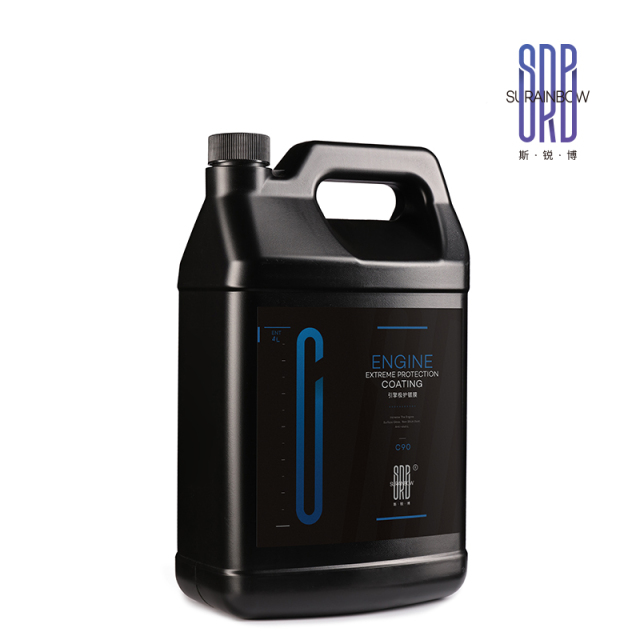
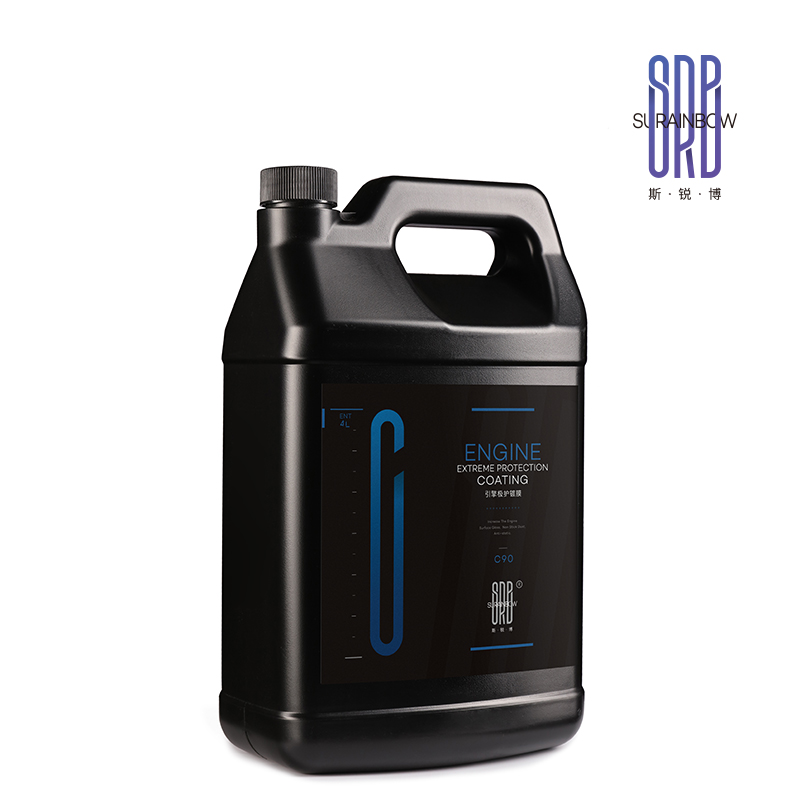
| Product name | Engine Protection Coating |
| Model | C-90 |
| Brand | SURAINBOW |
| Volume | 4 L |
| Net weight | 3.7 kg |
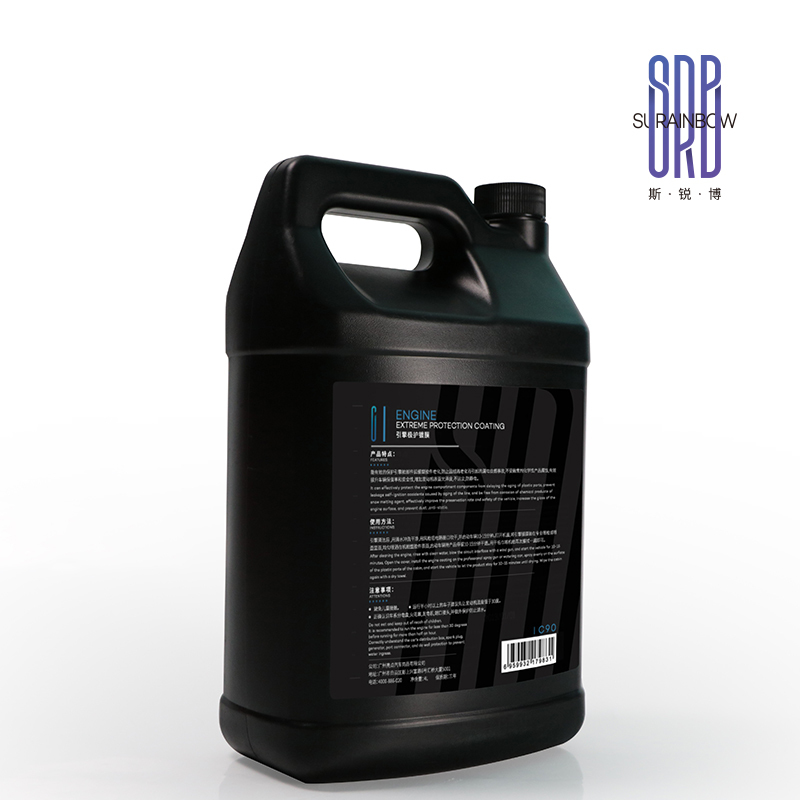
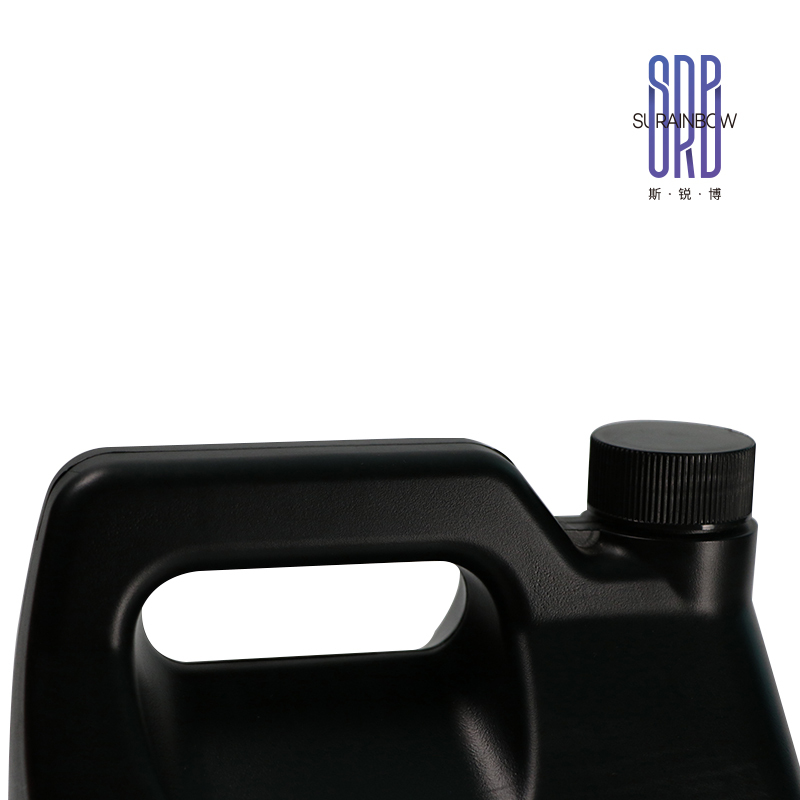
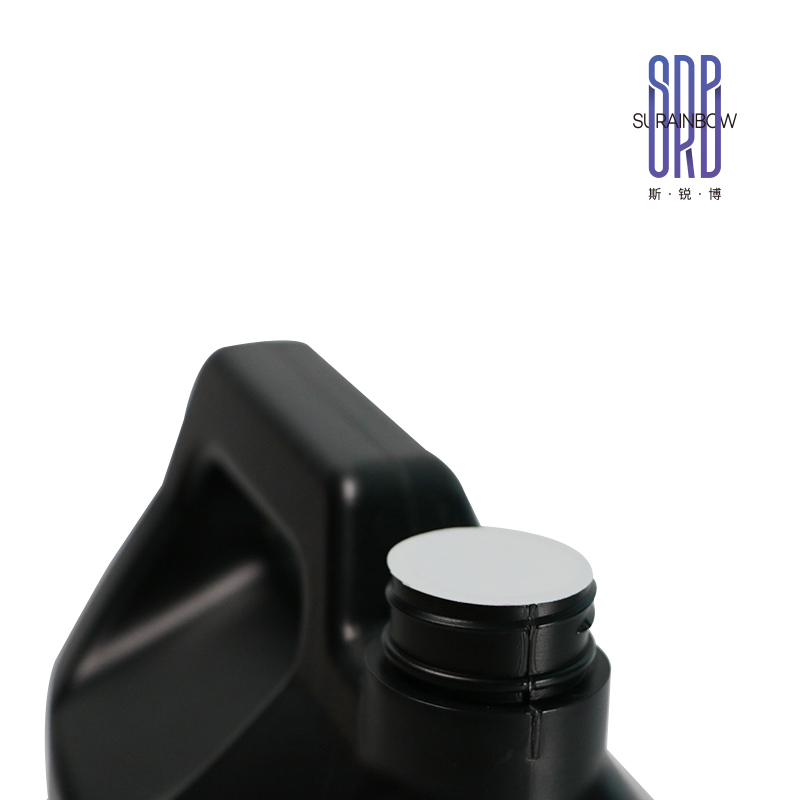
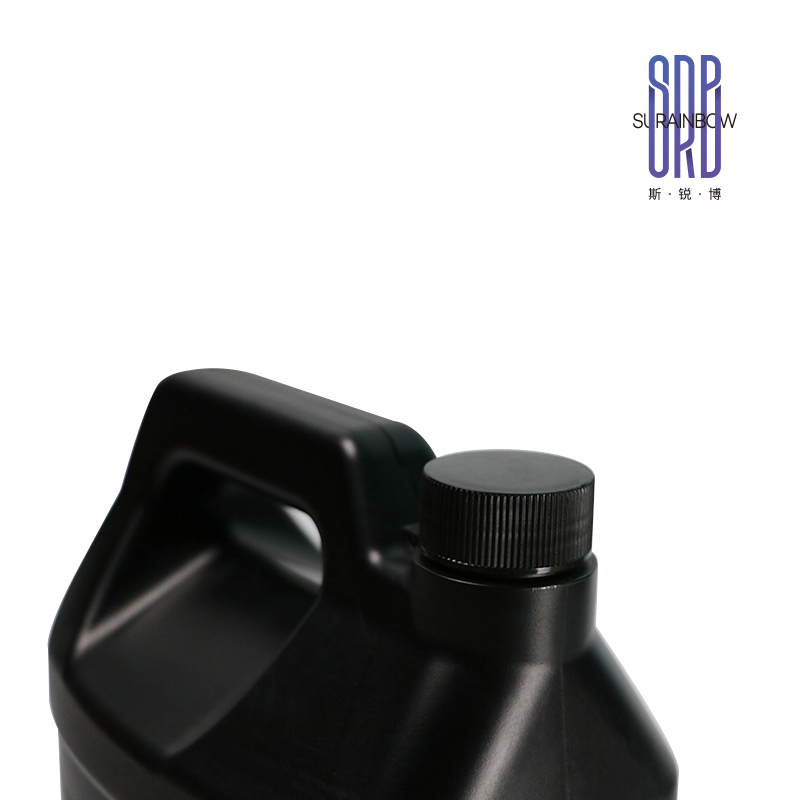
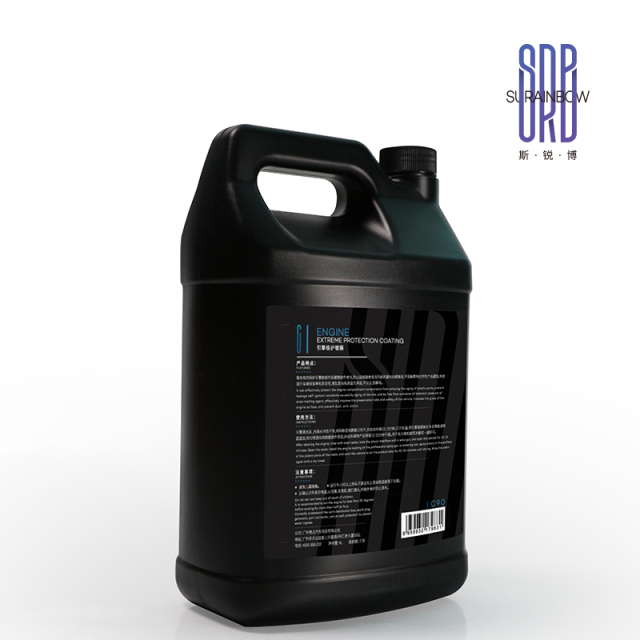
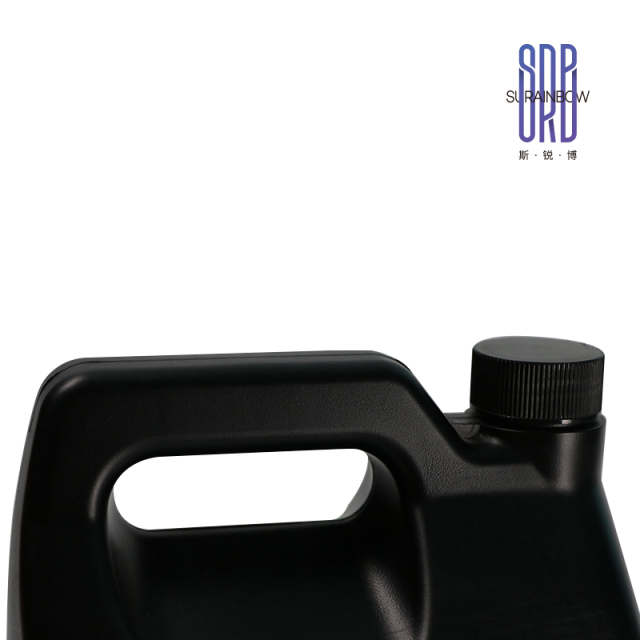
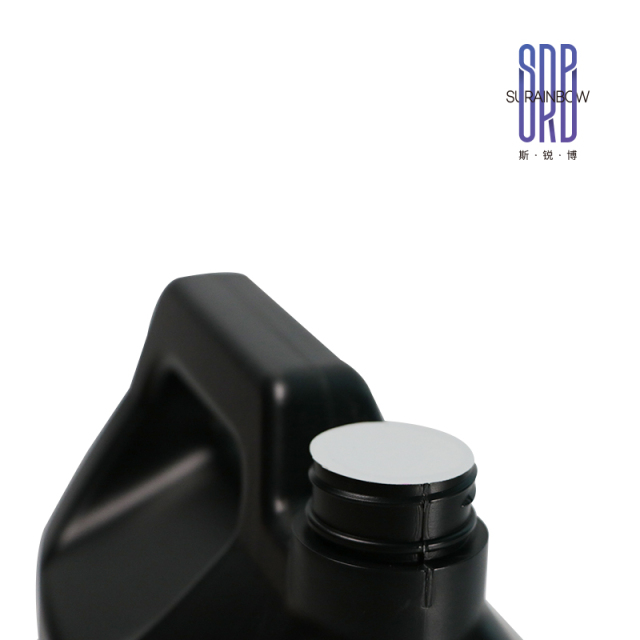
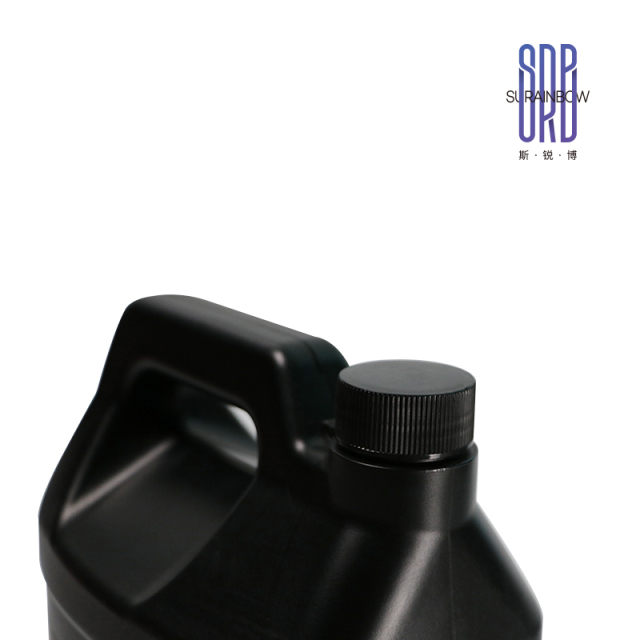
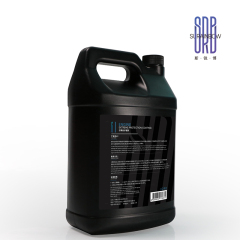
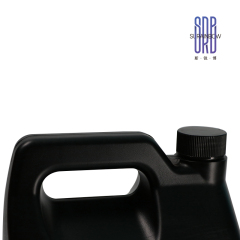
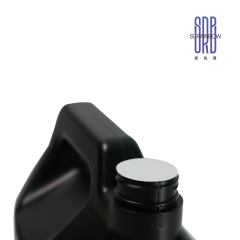
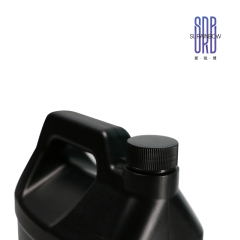
| Bottle | Black plastic jug with printed label, volume scale and ribbed screw cap |
| Colour | Black |
| Format | Liquid, applied with an engine coating gun |
| Application | Plastic parts in the engine room |
| Finish | Gloss on engine-room plastics |
| Shelf life | 3 years |
| Origin | Guangdong, China |
Ordering & Delivery
- Confirm the item and quantity — the minimum order is 200 pcs and the standard pack is 4 pcs per carton.
- Car detailing chemicals wholesale orders that mix this coating with cleaners and guns are quoted on the full item list, so send the complete basket.
- Sampling and approval — ask your sales contact about sample availability and the evaluation you want to run before bulk production.
- As car care manufacturers we fill against an approved reference, so the sample you sign off becomes the standard the batch is compared with.
- Packaging and artwork proofing — cartons, labels and shipping marks can be produced to your artwork; label files, barcode data and pack specifications are checked and proofed before production starts, and OEM labelling is accepted on this model.
- Application and cost planning — ask your sales contact for guidance on consumption per engine bay if you are costing the job, and for the current MSDS if you need the full composition statement for your market.
- Balance, documents and shipment — the balance, the inspection arrangement and the document set are confirmed before dispatch.
- For mixed car care supplies orders the paperwork is prepared per item and then consolidated, and label language is reviewed with you against your destination market before artwork is approved.
- Stock and dispatch — In stock and fast shipping, so a repeat order on this line does not wait for a production run.
- Confirm the current dispatch date when you place it.
- After-sales and batch traceability — report leakage, shortage or a quality concern with the order reference, batch number, affected quantity and photos.
- Batch records and retained samples let the issue be checked against the batch that actually shipped.
Scale & Supply Capability
SURAINBOW is run by Guangzhou Liangdian Automotive Supplies Co., Ltd., a factory-trade operation set up in Guangzhou in 2010 and now 50 people strong. Sixteen years in car care have given us a one-stop supply position: our own SURAINBOW lines are held in stock for fast shipping, and an associate factory with modern production equipment and an established quality management system keeps replenishment moving. We take OEM and ODM work and our R&D team develops to your specification. Buyers in the Middle East, the United States, Southeast Asia, Europe, the UK, Russia, Africa and Australia already order from us.
FAQ
How is this different from a ceramic coating for paint?
They do different jobs. A ceramic coating is a long-term protective layer for bodywork, glass or wheels; this is an engine-bay dressing applied to the plastics under the bonnet once the bay has been washed and dried. Both are car care products, but this one is not intended for exterior paint and it is not a substitute for a paint coating.
Do I have to run the engine before and after spraying?
Yes — both runs do work. The first warms the plastics so the coating spreads evenly instead of sitting in droplets; the second drives the carrier off so the film sets. Skipping either run is the usual reason a professional car care finish comes back looking patchy.
Can it be sprayed onto a dirty or oily engine bay?
No. The bay has to be washed, rinsed and blown dry first, because grease under the film shows through and shortens how long the finish holds. Use a car detailing cleaner for that step and come back to the coating once everything is dry.
What equipment do I need to apply it?
An engine coating gun and a dry towel. The gun is standard car care supplies in most detailing shops; pour the coating in as supplied, set it to a light even mist rather than a heavy wet coat, and keep the nozzle moving so large covers do not collect a thick patch.
Which parts of the bay should stay unsprayed?
Belts, pulleys, brake lines and anything on the exhaust side. Wipe overspray off painted panels or the bonnet before the engine runs, and keep the pass focused on the plastic parts of the engine room.
What does the finish look like when it is done?
Dark, even and glossy — the finish the product is named for, without the wet, oily sheen that some car care products leave on plastic. The final dry-towel wipe is what takes out the streaks on large flat covers.